
Education guide
What’s Actually Changed on the Ground
The pandemic forced adoption faster than any policy could have. Suddenly, apps that were previously “nice to have” became the only way school continued. Post-pandemic, a lot of that stuck. Smartboards, recorded lectures, and…

The pandemic forced adoption faster than any policy could have. Suddenly, apps that were previously “nice to have” became the only way school continued. Post-pandemic, a lot of that stuck. Smartboards, recorded lectures, and app-based homework tracking are now common even in…
The pandemic forced adoption faster than any policy could have. Suddenly, apps that were previously “nice to have” became the only way school continued. Post-pandemic, a lot of that stuck. Smartboards, recorded lectures, and app-based homework tracking are now common even in tier-2 and tier-3 cities.
Quick answer: Digital education in India grew from a supplementary tool to a core part of classroom delivery after 2020, with over 400 million internet users now accessing some form of online learning content, according to industry estimates.
I’ve noticed something interesting, though — the biggest shift isn’t in metro cities, where private schools already had resources. It’s in smaller towns where a single good YouTube explainer can now reach a student who’d never have had access to a great physics teacher otherwise.
The Access Problem Nobody Talks About Enough
Here’s my honest take: a lot of the “digital education revolution” conversation ignores that a big chunk of rural India still doesn’t have reliable internet or a personal device. One shared family phone for three siblings doing three different online classes is a real situation, not an exception.
- Only around 31% of rural households have internet access, per recent government survey data
- Urban households fare much better, but device-sharing is still common
- Data costs, while lower than most countries, still add up for daily families
Until this gap closes properly, “digital education” will keep meaning different things for different income groups.
EdTech Platforms: What’s Genuinely Useful
There’s no shortage of apps promising to fix everything. Realistically, the ones that work well tend to focus on one thing and do it properly — doubt-solving, exam prep, or skill-based courses — rather than trying to be everything at once.
Picture a Class 10 student in a small town in Rajasthan who’s weak in math. A focused app with step-by-step video solutions and practice tests can genuinely close that gap faster than a crowded 40-student classroom ever could.
Teacher Training Hasn’t Kept Pace
This is a gap I feel doesn’t get enough attention. Handing a teacher a tablet doesn’t automatically make them good at digital teaching. Many government and even private school teachers were never properly trained on how to structure an online lesson, manage engagement remotely, or use these tools beyond just playing a video.
Quick answer: Effective digital education depends as much on teacher training as on technology access — a well-trained teacher with a basic tablet often outperforms an untrained teacher with premium smartboards.
Hybrid Learning Is Becoming the New Normal
Fully online schooling didn’t work out great for most students long-term — the lack of structure and peer interaction hurt more than people expected. What’s emerging instead is a hybrid model: in-person classes for core teaching, with digital tools for practice, revision, and doubt clearing.
- Homework and assignments increasingly go through apps rather than notebooks
- Parent-teacher communication has shifted heavily to WhatsApp and school apps
- Recorded lectures let students revisit tough topics at their own pace
Cost Savings vs Learning Quality
Digital education can cut costs for both schools and families — fewer printed materials, lower travel needs for coaching, and free content available on YouTube and government platforms like DIKSHA. But cheaper doesn’t always mean better. A ₹500 course from an unknown creator with no structured curriculum can waste more time than it saves.
[link to related guide about best online learning platforms in india here]
What Parents Should Actually Look For
Don’t just go by flashy marketing. Check if the platform has a clear syllabus mapping, real teacher support (not just recorded videos), and some way to track actual progress, not just “watch time.”
[link to related guide about school education choices here]
FAQ
Is digital education replacing traditional schools in India? Not fully, and probably won’t anytime soon. It’s becoming a strong supplement rather than a full replacement, especially for exam prep and revision.
What are the biggest challenges of digital education in India? Uneven internet access, device availability, and teacher training gaps are the three biggest hurdles right now.
Are government digital education platforms reliable? Platforms like DIKSHA and SWAYAM are genuinely solid and free, though awareness about them is still relatively low outside urban areas.
Does digital education help in exam preparation? Yes, particularly for competitive exams where practice tests, instant doubt-solving, and performance analytics genuinely speed up preparation.
Is digital education expensive for average families? It varies widely — government platforms are free, while premium coaching apps can cost anywhere from ₹2,000 to ₹30,000+ annually depending on the exam or subject.
Conclusion
Digital education in India isn’t a passing trend — it’s becoming a permanent layer in how students learn, whether through school-provided tools or personal apps. The real work now is closing the access gap and training teachers properly so the benefits reach beyond just students who already had resources. If you’re a parent deciding on tools for your child, prioritise structured content and real support over flashy features — that’s what actually moves the needle.
Suggested image alt text: Indian schoolchild attending an online class on a tablet at home
Always confirm deadlines, eligibility rules, fees and admission requirements with the relevant official institution or examination authority.
Continue learning
Related resources
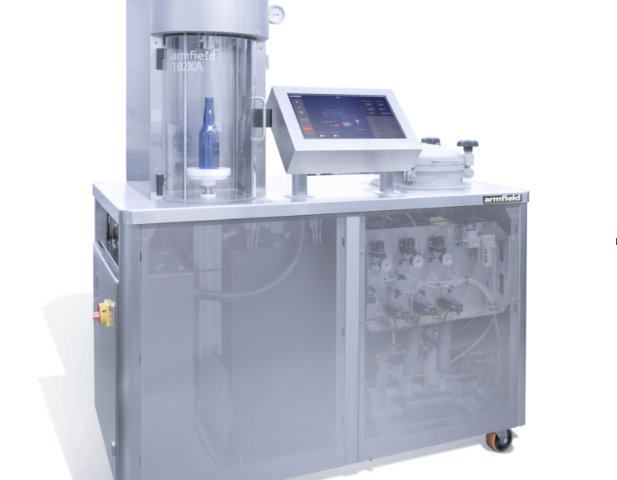
Turning Food Innovation into Reliable, Scalable Processes
Developing a successful food or beverage product requires far more than creating the right formulation. Manufacturers, universities and research organisations need to understand how ingredients behave during mixing,…

Creating Safer Roadways Starts With Better Drivers
Why Driver Education Matters Safer roads don’t happen by accident. They’re built through good habits, awareness, patience, and drivers who understand that being behind the wheel is a…

How the Curriculum Structure Differs
The education system in India leans heavily on syllabus completion and exam performance. Boards like CBSE, ICSE, and state boards are largely content-driven — you learn a fixed…