
Education guide
Creating Safer Roadways Starts With Better Drivers
Why Driver Education Matters Safer roads don’t happen by accident. They’re built through good habits, awareness, patience, and drivers who understand that being behind the wheel is a responsibility, not just a routine part…
Why Driver Education Matters Safer roads don’t happen by accident. They’re built through good habits, awareness, patience, and drivers who understand that being behind the wheel is a responsibility, not just a routine part of the day. Every trip, whether it’s a…
Why Driver Education Matters
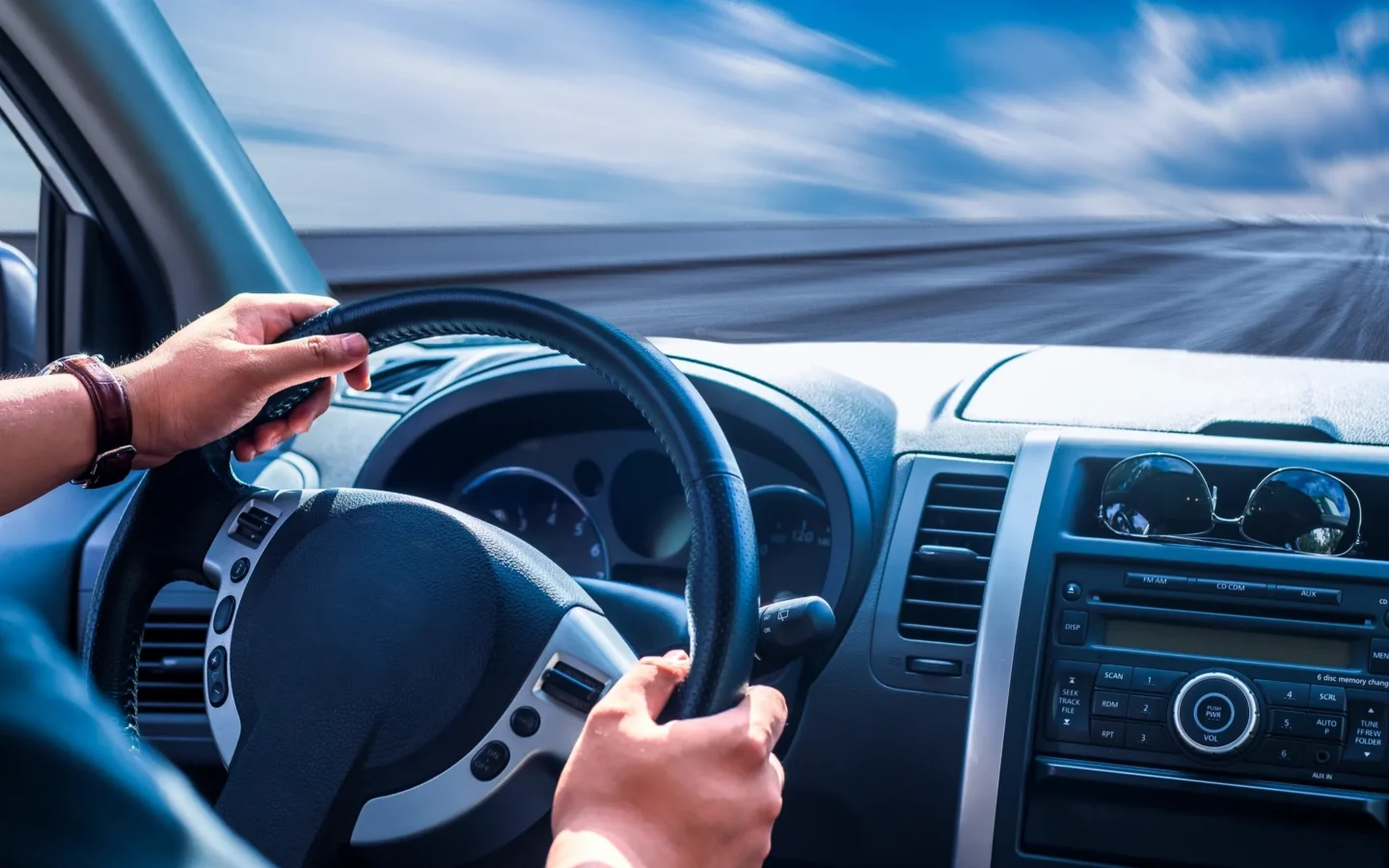
Safer roads don’t happen by accident. They’re built through good habits, awareness, patience, and drivers who understand that being behind the wheel is a responsibility, not just a routine part of the day. Every trip, whether it’s a five-minute drive to the grocery store or a long highway journey, involves decisions that can affect other people.
This is where creating safer roadways with better drivers becomes more than a slogan. It means giving new and experienced motorists the knowledge and practical skills they need to recognize hazards, respond calmly, and make smarter choices. A strong driving culture starts with education, but it grows through everyday behavior.
Learning More Than Just the Rules
Most people remember the basics from their driving preparation: traffic signs, speed limits, lane markings, right-of-way rules and parking regulations. Those things matter, of course. But responsible driving goes beyond memorizing a handbook.
Good driver’s education should help learners understand why certain rules exist. For instance, keeping a safe following distance isn’t simply something instructors tell students to do. It gives a driver precious extra seconds to react if the vehicle ahead suddenly brakes.
That difference between knowing a rule and understanding it can be huge.
Drivers also need to learn how to read their surroundings. A parked car may hide a pedestrian. A cyclist might suddenly move around an obstacle. Wet pavement can change stopping distances. A busy intersection may require more attention than a quiet residential street. These are real-life situations, and they’re often where experience makes the biggest difference.
Practice Builds Confidence
There’s something humbling about learning to drive. At first, even simple tasks can feel complicated. Checking mirrors, steering smoothly, judging distance, watching traffic signals and remembering to signal before turning can seem like a lot at once.
That’s why practical training matters.
During behind the wheel lessons, learners get an opportunity to turn theoretical knowledge into actual driving habits. With guidance from a qualified instructor, they can practice braking, changing lanes, turning, parking, merging and navigating different traffic conditions.
The goal isn’t to make someone drive perfectly on day one. Honestly, that would be unrealistic. The goal is to help them become comfortable enough to make careful decisions without panicking.
Defensive Driving Can Prevent Trouble
Defensive driving is one of the most valuable skills a motorist can develop. It involves anticipating what might happen instead of reacting only after something goes wrong.
Imagine approaching an intersection where another driver is waiting to turn. You have the right of way, but the other vehicle starts creeping forward. A defensive driver doesn’t simply assume the other motorist will stop. They slow down, stay alert and prepare for the possibility that the vehicle may enter the lane.
That little bit of caution can prevent a serious collision.
Defensive driving also means avoiding unnecessary risks. Speeding to save a couple of minutes, weaving through traffic, following too closely or driving while distracted may seem harmless in the moment. They aren’t. Small decisions add up quickly on busy roads.
The Problem of Distracted Driving
Modern vehicles are more comfortable and connected than ever, but technology has introduced a major challenge: distraction.
A notification appears. The phone rings. A driver changes a song or checks a message at a red light. These actions can feel harmless, yet attention can disappear in seconds. Even when a vehicle is moving slowly, the road environment can change unexpectedly.
Safe drivers learn to put distractions aside. If a message really needs attention, pulling over is the smarter choice. No notification is worth risking a life.
Parents can play an important role here, too. Young drivers often copy what they see adults doing. If parents use seat belts, avoid phones while driving and remain patient in traffic, those behaviors become normal rather than exceptional.
Experience Should Never Replace Learning
Experienced drivers sometimes become overly comfortable. After years on the road, familiar routes can turn into autopilot. That’s when complacency can creep in.
A good driver continues learning.
Weather conditions change. Roads are redesigned. Traffic patterns evolve. New safety technologies become common. Even experienced motorists can benefit from refresher courses or defensive-driving training, especially if they haven’t reviewed safe-driving practices for years.
There’s no embarrassment in improving your skills. In fact, recognizing that there is always something new to learn is one of the marks of a responsible driver.
Building Better Road Habits Every Day
Road safety isn’t created only in classrooms or training vehicles. It happens every morning when commuters leave home, every afternoon when students cross busy streets and every evening when families drive back from work.
Simple habits make a difference. Wear a seat belt on every trip. Leave enough space between vehicles. Use turn signals consistently. Slow down around pedestrians and cyclists. Adjust your driving for rain, fog or poor visibility. And perhaps most importantly, give other road users a little patience.
Not everyone will drive exactly the way you expect. Getting angry won’t change that. Staying calm might.
A Safer Future Begins With Responsibility
Better roads, clearer signs and modern vehicle safety systems can all contribute to fewer crashes, but people remain at the heart of road safety. A responsible driver understands that every choice behind the wheel carries consequences.
Teaching people to drive safely isn’t simply about helping them pass a test. It’s about developing judgment that stays with them long after the lessons are over.
When drivers become more aware, patient and prepared, everyone benefits. Pedestrians feel safer crossing streets. Families worry a little less when loved ones travel. Communities become more comfortable sharing roads.
In the end, safer roadways are built one decision at a time. A driver choosing patience over speed, attention over distraction and caution over assumption may not feel like a major act. But when millions of drivers make those choices every day, the impact can be enormous.
Always confirm deadlines, eligibility rules, fees and admission requirements with the relevant official institution or examination authority.
Continue learning
Related resources
Turning Food Innovation into Reliable, Scalable Processes
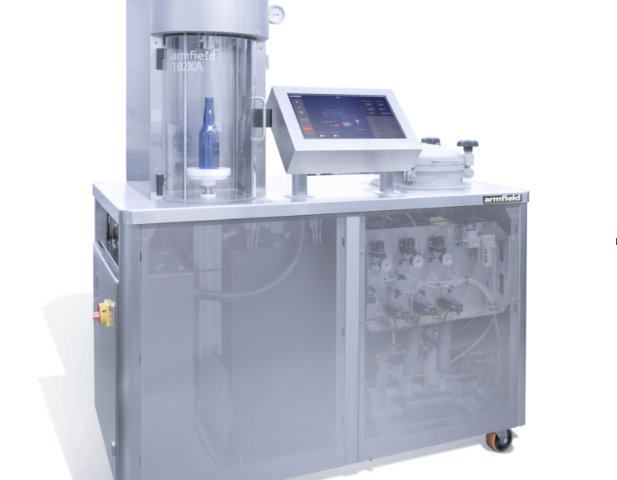
Developing a successful food or beverage product requires far more than creating the right formulation. Manufacturers, universities and research organisations need to understand how ingredients behave during mixing,…

What’s Actually Changed on the Ground
The pandemic forced adoption faster than any policy could have. Suddenly, apps that were previously “nice to have” became the only way school continued. Post-pandemic, a lot of…

How the Curriculum Structure Differs
The education system in India leans heavily on syllabus completion and exam performance. Boards like CBSE, ICSE, and state boards are largely content-driven — you learn a fixed…