
Career guide
For Science Students (PCM)
If you took Physics, Chemistry, Maths, you’ve got the widest spread of options, which honestly makes the choice harder, not easier. Quick answer: PCM students after 12th typically go for engineering through JEE or…
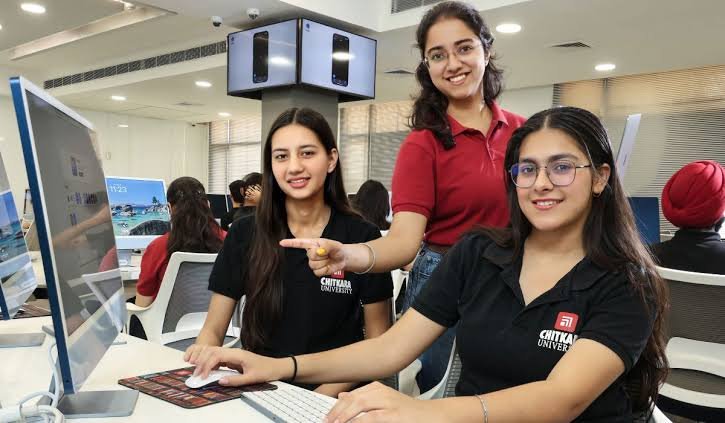
If you took Physics, Chemistry, Maths, you’ve got the widest spread of options, which honestly makes the choice harder, not easier. Quick answer: PCM students after 12th typically go for engineering through JEE or state entrance exams, though B.Sc and defence services…
If you took Physics, Chemistry, Maths, you’ve got the widest spread of options, which honestly makes the choice harder, not easier.
- Engineering (via JEE Main/Advanced or state CETs)
- B.Sc in Physics, Chemistry, Mathematics, or Computer Science
- Architecture (via NATA)
- Defence services (NDA)
- Merchant Navy and aviation-related courses
Quick answer: PCM students after 12th typically go for engineering through JEE or state entrance exams, though B.Sc and defence services remain solid, less crowded alternatives worth considering.
I’ll say this honestly — not every PCM student needs to do engineering. I’ve seen too many students push through a B.Tech they hate because it felt like the “default” choice. If you’re genuinely more interested in pure sciences or research, B.Sc followed by M.Sc or a PhD can be a far more satisfying route.
For Science Students (PCB)
Biology stream students usually think it’s MBBS or nothing, but that’s simply not true anymore.
- MBBS/BDS via NEET
- B.Sc Nursing
- Biotechnology
- Pharmacy (B.Pharm)
- Paramedical courses (physiotherapy, radiology, etc.)
Picture a student who didn’t crack NEET this year — instead of wasting another full year only preparing again, a B.Sc in Biotechnology or a paramedical course can open solid career doors while keeping the option to attempt NEET again alongside.
For Commerce Students
Commerce after 12th has genuinely exploded in options over the last decade, way beyond just B.Com.
- B.Com (regular or honours)
- Chartered Accountancy (CA)
- Company Secretary (CS)
- BBA followed by MBA
- Actuarial Science
Quick answer: Commerce students have some of the best ROI career paths in India right now — CA and CS in particular offer strong earning potential without requiring a foreign degree or massive upfront investment.
For Humanities/Arts Students
This stream gets unfairly looked down on, and honestly, that bias is outdated. Some of the best-paying, most stable careers come from here.
- Law (via CLAT)
- Journalism and Mass Communication
- Psychology
- Civil Services preparation (starting early helps)
- Design (fashion, graphic, UX/UI)
I’ve noticed arts stream students who commit early to a specific direction — law or design, say — often end up more focused and successful than science students who chose their stream just because “it keeps options open.”
Skill-Based and Vocational Courses
Not everyone wants or needs a traditional degree, and that’s completely fine. Skill-based courses have gained massive respect over the last few years.
- Digital marketing certifications
- Coding bootcamps (web development, app development)
- Hotel management and culinary arts
- Animation and VFX
- ITI courses for technical trades
These routes often get you job-ready faster and cheaper than a 3-4 year degree, especially in fields like coding and digital marketing where practical skill matters more than the certificate itself.
How to Actually Decide
Forget the “what will make the most money” question for a second. Ask yourself what kind of daily work you can tolerate doing for years — because that matters more long-term than the starting salary.
- Talk to people actually working in the field, not just their LinkedIn highlight reel
- Consider your genuine strengths, not just marks in a subject
- Factor in family financial capacity honestly, without guilt
[link to related guide about high paying careers in india here]
The Financial Reality Check
A CA can start earning ₹6-10 lakh per annum within a couple of years of qualifying. A fresh engineering graduate from a decent college might start around ₹4-8 lakh depending on the company. These numbers matter, but they shouldn’t be the only deciding factor — burnout in a field you dislike costs more than any salary makes up for.
[link to related guide about competitive exam preparation here]
FAQ
Which is the best career option after 12th science? It depends on your specific stream (PCM/PCB) and interest — engineering and medicine are popular, but B.Sc and paramedical courses are strong, underrated alternatives.
Is commerce a good option after 12th? Yes, especially with CA, CS, or BBA-MBA routes — these offer strong career growth without needing to relocate abroad.
Can arts students earn well in India? Absolutely — law, civil services, design, and psychology all offer strong, respected career paths with good earning potential.
What if I don’t want to do a traditional degree? Skill-based courses in coding, digital marketing, or design can get you job-ready faster, often with lower cost and quicker returns.
How early should I start preparing for competitive exams after 12th? Ideally right after choosing your stream, in Class 11 itself, for exams like JEE, NEET, or CLAT — though focused last-year preparation can still work with discipline.
Conclusion
Picking the right career options after 12th isn’t about following the crowd or chasing whatever seems most “prestigious.” It’s about matching your genuine interests and strengths with a field that also makes financial sense for your situation. Take your time, talk to people already in these fields, and don’t be afraid to choose the less obvious path if it genuinely fits you better.
Suggested image alt text: Indian student researching career options after 12th on a laptop with books nearby
Always confirm deadlines, eligibility rules, fees and admission requirements with the relevant official institution or examination authority.
Continue learning
Related resources

Technology and IT Roles
Tech hasn’t slowed down, though the roles that pay best have shifted from pure coding toward specialised, high-demand skills. Quick answer: AI, cloud computing, and cybersecurity roles currently…